
Nine Malaysian elements on UNESCO heritage lists
Intangible heritage ranges from performance and dress to rituals and food.
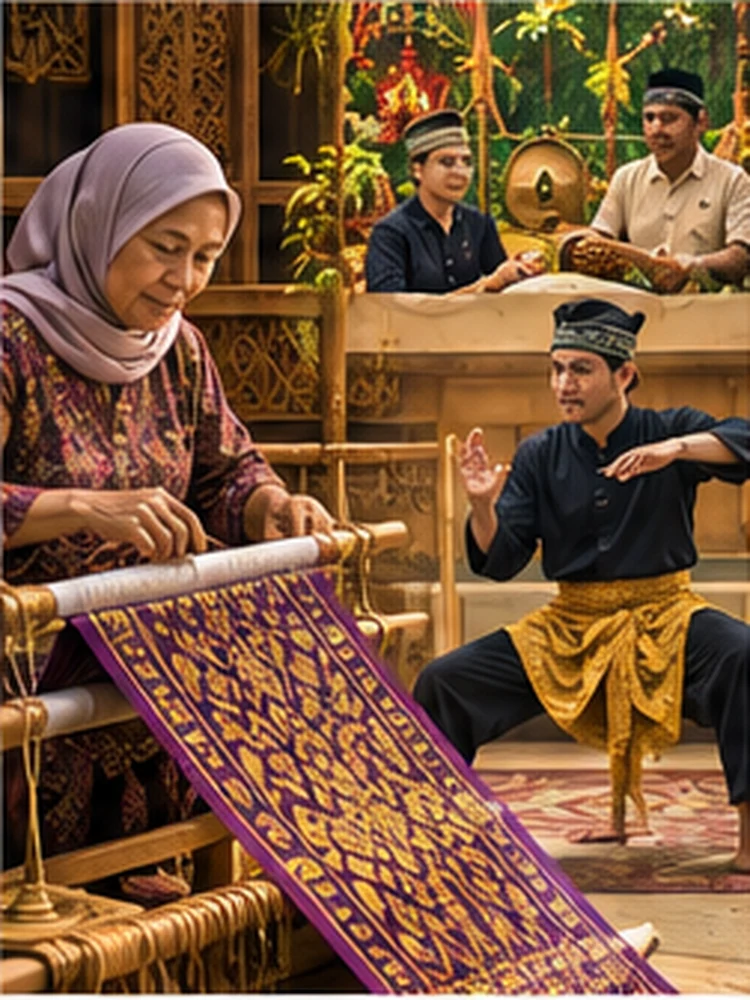
Nine recognised elements
UNESCO's Malaysia entries through 2025 include Mak Yong, Dondang Sayang, Silat, the Ong Chun/Wangchuan/Wangkang ceremony, Songket, Mek Mulung, Kebaya, breakfast culture and Pantun. Some are multinational inscriptions, and each practice has distinct communities and histories.
Recognition is not preservation by itself
Recognition can raise awareness but does not itself guarantee continuity. Practitioners, teachers, families and cultural groups remain central. Mek Mulung's urgent safeguarding status is also different from inscription on the representative list.
Respect the originating communities
Heritage should not be reduced to one costume or dance for all Malaysians. Verify originating communities, ceremonial contexts and proper representation before creating images or summaries.