01
10 August 1947STATUS
Anwar Ibrahim is born in Cherok Tok Kun, Bukit Mertajam, Penang.
He grows up in a politically engaged family and later studies at the Malay College Kuala Kangsar before continuing at the University of Malaya.
CHRONOLOGY · POLITICS · ANWAR IBRAHIM
A source-backed chronology of Anwar Ibrahim's path from youth activism and UMNO, through the deputy premiership, Reformasi, two periods of imprisonment, opposition leadership, a royal pardon and the hung Parliament that ended with his appointment as prime minister in 2022.
A source-backed chronology of Anwar Ibrahim's path from youth activism and UMNO, through the deputy premiership, Reformasi, two periods of imprisonment, opposition leadership, a royal pardon and the hung Parliament that ended with his appointment as prime minister in 2022.
He grows up in a politically engaged family and later studies at the Malay College Kuala Kangsar before continuing at the University of Malaya.
His path links three distinct eras: UMNO's long period of federal dominance, the Reformasi opposition movement, and the post-2018 era of competitive coalition government. The 2022 appointment also followed Malaysia's first hung Parliament at a general election.
Each step is dated and sourced. Statements, allegations, decisions and confirmed actions stay labelled separately so the timeline does not turn one side's claim into an established fact.
He grows up in a politically engaged family and later studies at the Malay College Kuala Kangsar before continuing at the University of Malaya.
He establishes Yayasan Anda Akademik in 1971 and becomes closely associated with student and Islamic youth organising, including PKPIM and the formation of ABIM in 1972.
He is arrested after joining protests connected with rural poverty and student mobilisation and spends about 20 months in detention.
Accounts of the 1974 Baling protests differ on the exact role played by individual student leaders. PulseKita records the detention without claiming that Anwar personally led every Baling protest.
After years as a prominent Islamic youth leader, he accepts an invitation to join UMNO, wins the Permatang Pauh parliamentary seat and enters the administration as a deputy minister in the Prime Minister's Department.
He serves successively as Minister of Culture, Youth and Sports, Minister of Agriculture, Minister of Education and then Minister of Finance.
The appointment places him one step from the premiership after little more than a decade in UMNO and the federal government.
Prime Minister Mahathir Mohamad removes Anwar as deputy prime minister and finance minister amid a deep political rupture during the Asian Financial Crisis. Anwar is later expelled from UMNO, mobilises Reformasi rallies and is arrested.
The criminal cases that followed were politically contested. Court judgments had legal effect, while Anwar and supporters maintained that the prosecutions were politically motivated.
The majority decision ends this phase of his imprisonment and opens the way for a gradual return to frontline opposition politics.
The ruling concerned the first sodomy conviction; it did not erase every earlier conviction arising from the Reformasi-era cases.
Ten years after his removal from government, he re-enters the Dewan Rakyat and becomes parliamentary opposition leader.
Malaysia's Federal Court upholds the conviction and five-year sentence. Anwar again says the case is politically motivated.
Days after Pakatan Harapan defeats Barisan Nasional in GE14, Anwar is released and regains eligibility to participate fully in politics. Mahathir returns as prime minister under an alliance that publicly anticipated a later leadership transition.
Political defections and coalition realignment end Mahathir's second administration. Muhyiddin Yassin becomes prime minister, leaving Anwar once again outside the premiership.
Pakatan Harapan wins the largest number of seats but no coalition reaches a simple majority on election night. The King consults party leaders and the Malay Rulers as negotiations continue.
Yang di-Pertuan Agong Al-Sultan Abdullah appoints Anwar under Articles 40(2)(a) and 43(2)(a) of the Federal Constitution after concluding that he is the MP likely to command majority confidence.
By the mid-1990s Anwar was widely viewed as Mahathir's successor. The 1998 rupture transformed him from governing-party heir apparent into the central figure of an opposition reform movement.
The first imprisonment followed the 1998 political rupture; the second began in 2015. The 2018 full pardon restored his political eligibility after Pakatan Harapan's election victory.
Mahathir returned as prime minister in 2018 under a transition arrangement, but the government collapsed in 2020 before the handover occurred.
For the detailed 1998–2004 legal and protest sequence, PulseKita keeps a separate Reformasi chronology so this page can focus on the full arc of Anwar's political career.
His path links three distinct eras: UMNO's long period of federal dominance, the Reformasi opposition movement, and the post-2018 era of competitive coalition government. The 2022 appointment also followed Malaysia's first hung Parliament at a general election.
01Which Reformasi-era institutional demands were carried into government once Anwar became prime minister?
02How should historians distinguish the legal outcomes of Anwar's court cases from the political contest surrounding them?
03Was the decisive turning point in Anwar's road to the premiership the 1998 rupture, the 2018 change of government, or the hung Parliament of 2022?
01Future archival releases on the 1998 political rupture and Reformasi period.
02Historical assessments of the failed 2018–2020 leadership transition.
03How the 2022 unity-government arrangement reshapes Malaysia's longer-term coalition system.
Related chronologies are ranked from explicit story links first, then topic, geography and shared context.
A neutral chronology of Anwar Ibrahim's 1998 dismissal, the street protests and arrest, the black-eye Royal Commission, court cases, the formation of Keadilan and Barisan Alternatif, and the 2004 Federal Court decision that overturned his first sodomy conviction.
12 events · 1998–2004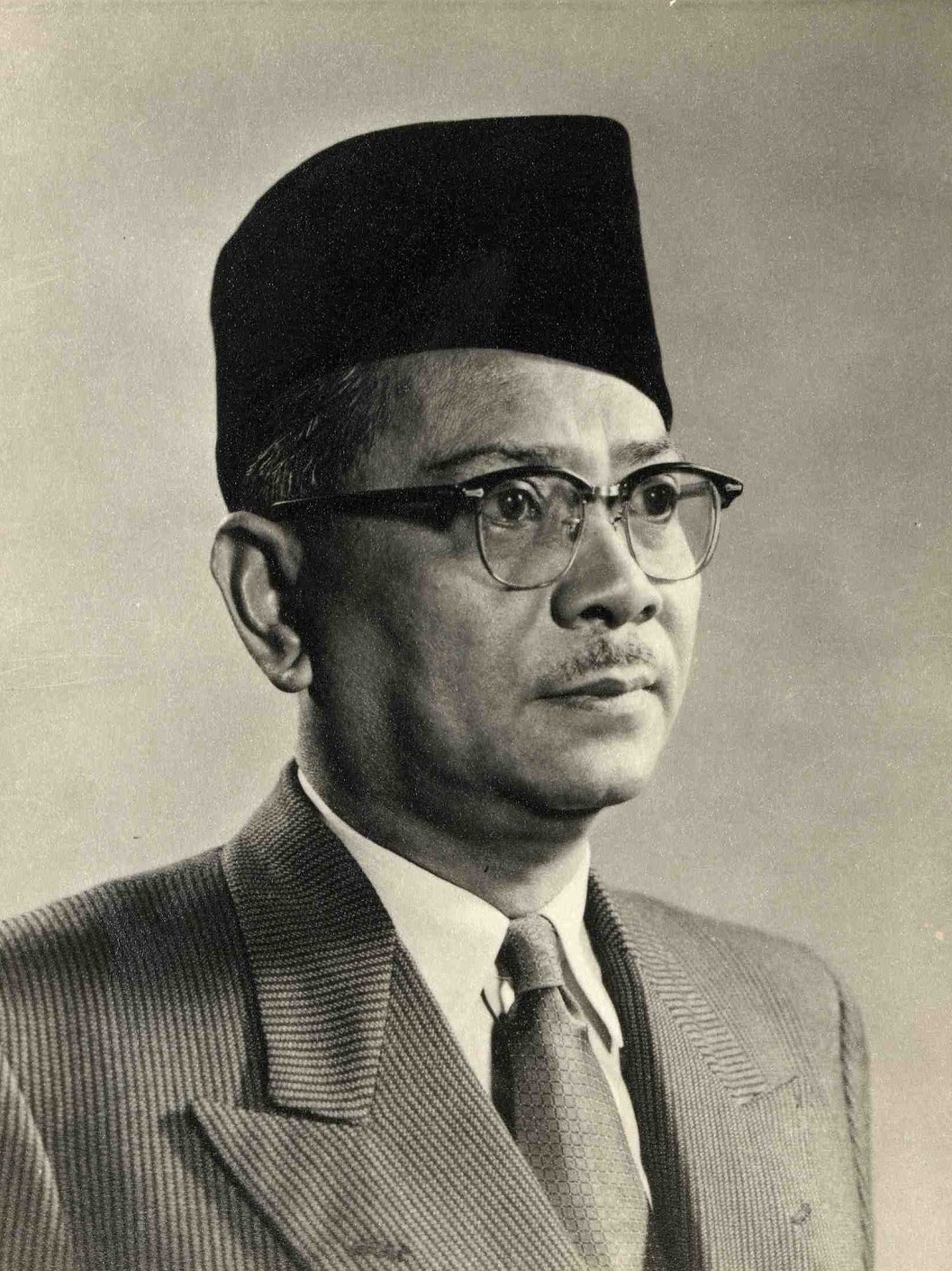
A compact chronology of every Malaysian prime minister from Tunku Abdul Rahman to Anwar Ibrahim, including Mahathir Mohamad's two non-consecutive premierships and the rapid leadership changes between 2018 and 2022.
10 events · 1957–2026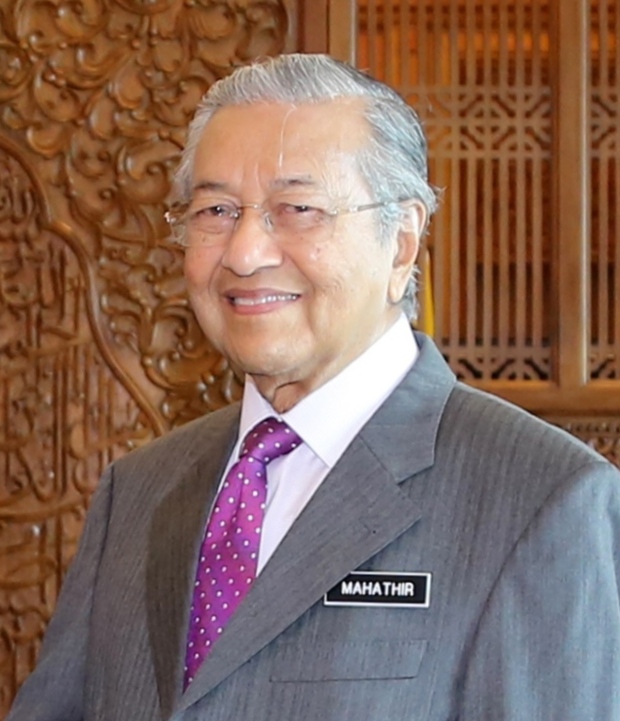
A chronology from doctor and political writer to deputy prime minister, Malaysia's fourth prime minister, a return to opposition politics, and a second premiership in 2018–2020.
37 events · 1925–2026