
01
10 Julai 1925STATUS
Mahathir is born in Alor Setar, Kedah.
Perdana Leadership Foundation records his birth on 10 July 1925, with 20 December 1925 also recorded as his official birth date.
CHRONOLOGY · POLITICS · MAHATHIR MOHAMAD
A chronology from doctor and political writer to deputy prime minister, Malaysia's fourth prime minister, a return to opposition politics, and a second premiership in 2018–2020.
A chronology from doctor and political writer to deputy prime minister, Malaysia's fourth prime minister, a return to opposition politics, and a second premiership in 2018–2020.
Perdana Leadership Foundation records his birth on 10 July 1925, with 20 December 1925 also recorded as his official birth date.
No other Malaysian prime minister has served in two spells separated by almost 15 years.
Each step is dated and sourced. Statements, allegations, decisions and confirmed actions stay labelled separately so the timeline does not turn one side's claim into an established fact.
Perdana Leadership Foundation records his birth on 10 July 1925, with 20 December 1925 also recorded as his official birth date.
He studies at Seberang Perak Malay School and later the English school renamed Sultan Abdul Hamid College.
During the occupation he sells food in Pekan Rabu to support his family.
He enters King Edward VII College of Medicine in 1947, graduates in 1953 and works at Alor Setar General Hospital.
Both trained in medicine; Siti Hasmah later plays a significant public and family role.
Leaving government service in 1957, Mahathir starts a private medical practice.
His 1964 election victory and 1965 UMNO Supreme Council membership mark a rise in national politics.
He loses his seat in 1969 and criticises Tunku Abdul Rahman after May 13; UMNO expels him.
The book becomes one of the best-known political works of his early career.
His return opens the way for a rapid rise in the federal government.
Mahathir wins Kubang Pasu uncontested and enters Cabinet.
The appointment by Hussein Onn puts him one step from the premiership.
He begins a premiership lasting more than two decades, associated with industrialisation, infrastructure and economic modernisation.
The government emphasises industrial practices, training and technology transfer.
The 1982 Cabinet-approved programme leads to PROTON's incorporation on 7 May 1983.
It links Penang Island and the mainland and is among prominent infrastructure developments of the period.
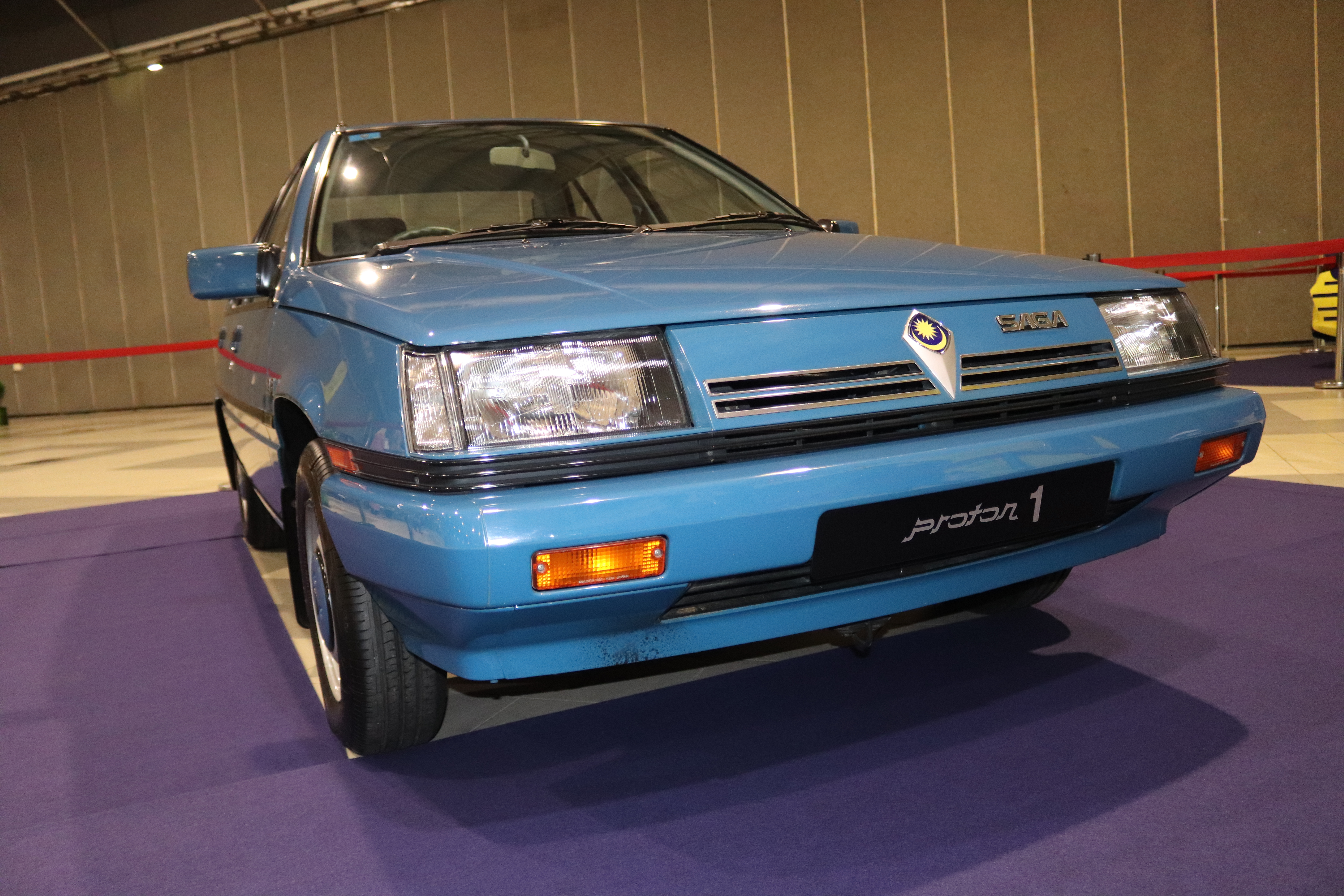
On 9 July 1985 Mahathir launches the national car developed with Mitsubishi collaboration.
Opposition figures and activists are detained without trial, generating continuing civil-liberties criticism.
The removal of Lord President Salleh Abas becomes an enduring subject of constitutional and judicial-independence debate.
The policy outlines economic and social aspirations for Malaysia by 2020; announcing a goal does not establish it was fulfilled.
Planning begins in 1992, foundations in 1993 and superstructure work in 1994, led by architect César Pelli and large engineering teams.
The new planned administrative centre is located south of Kuala Lumpur.
The initiative seeks to develop technology businesses, digital infrastructure and electronic public services.
The landmark's structural completion in 1996 precedes its official opening in 1999.
The new airport reshapes international air transport and the Kuala Lumpur southern development corridor.
During the Asian Financial Crisis, selective controls and a RM3.80-per-US-dollar peg are introduced in September 1998.
The political rupture takes place amid the financial crisis and leads to protests, arrests and protracted legal controversies.
He assumes the portfolio after Anwar Ibrahim is removed from government during the Asian Financial Crisis and the rupture that leads to Reformasi.
The Perdana Putra complex is completed in 1999, with government functions relocating in stages.
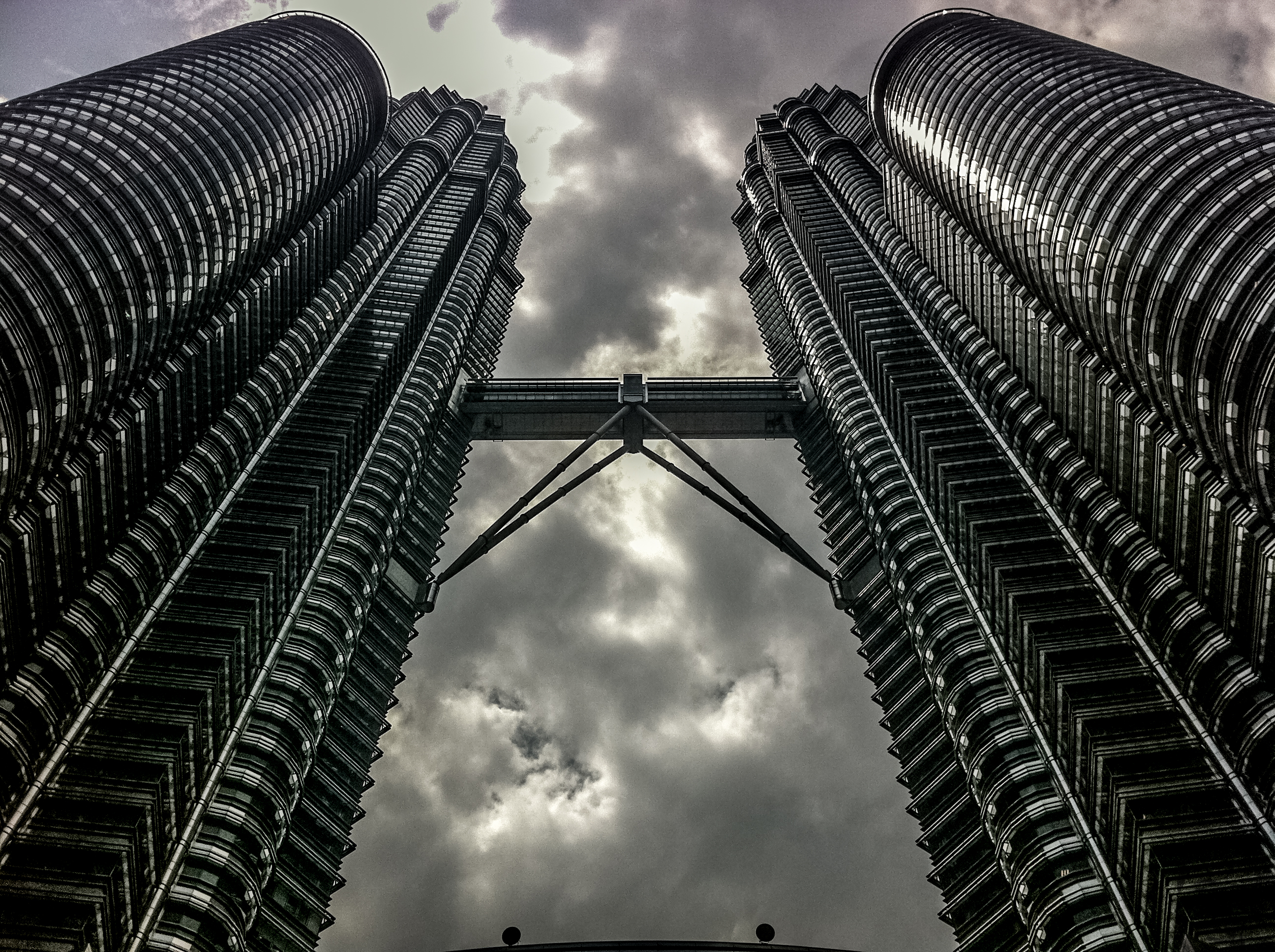
Mahathir inaugurates the towers in August 1999; the project also reflects the work of PETRONAS and many technical teams.
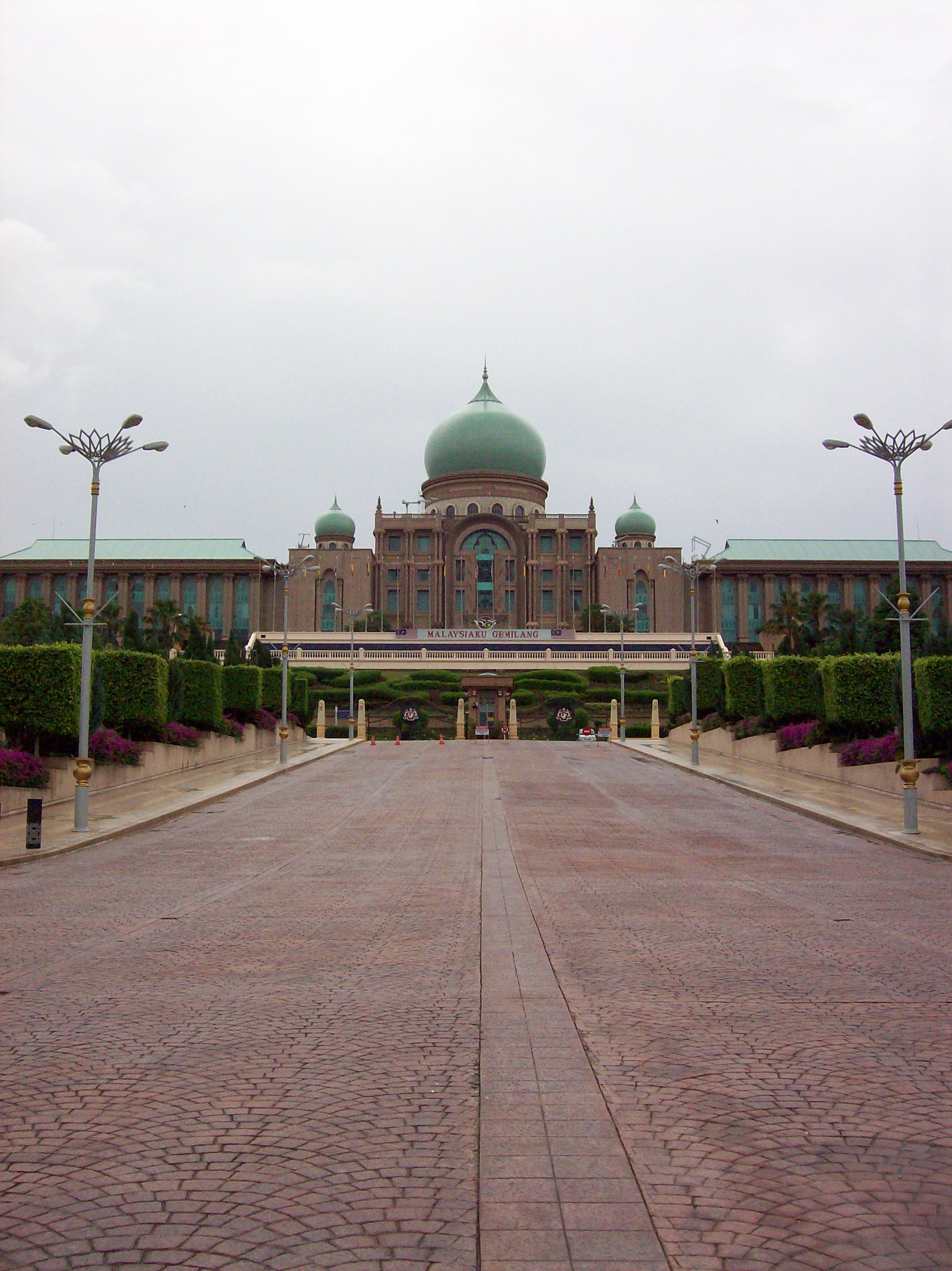
The declaration marks another stage of Malaysia's planned federal administrative capital.
Abdullah Ahmad Badawi succeeds him as Malaysia's fifth prime minister.
The move marks his full return to party politics in opposition to Najib Razak's administration.
Pakatan Harapan's victory ends Barisan Nasional's federal rule and returns Mahathir to Putrajaya.
The resignation comes during the political crisis that ends the first Pakatan Harapan federal government.
After his second premiership he remains politically active but does not retain his parliamentary seat.
Perdana Leadership Foundation says he continues to comment on Malaysian politics, economics and development.
The national car initiative progressed through Cabinet approval in 1982, PROTON's establishment in 1983 and the first Saga launch in 1985. Its industrial effects should be assessed alongside trade protection, technology transfer and competition.
Planning began in 1992, foundation works in 1993, construction progressed during the 1990s and the towers were officially opened in August 1999. PETRONAS, architects, engineers and construction workers all contributed.
Prang Besar was selected in June 1993, Perdana Putra was completed in 1999 and Putrajaya became a Federal Territory in February 2001.
The Penang Bridge, highways, KLIA and the Multimedia Super Corridor show the administration's emphasis on connectivity and industrial development. Project planning and completion may span different governments.
Project proposal, approval, construction, completion and opening dates are different milestones. Costs and returns require independently verifiable financial records.
Detentions under the Internal Security Act prompted sustained criticism concerning due process and civil liberties.
Selective capital controls and the ringgit peg were economic decisions, while Anwar Ibrahim's dismissal reshaped Malaysian opposition politics.
The chronology distinguishes dated decisions and documented consequences from official explanations, allegations and critical interpretations.
No other Malaysian prime minister has served in two spells separated by almost 15 years.
01How will history weigh Mahathir's development record against institutional and political controversies?
02Which parts of the 1981–2003 industrial policy legacy proved most durable?
01New archival records from the 1980s–2000s administrations.
02Historical assessments of the 2018–2020 transition.
Related chronologies are ranked from explicit story links first, then topic, geography and shared context.
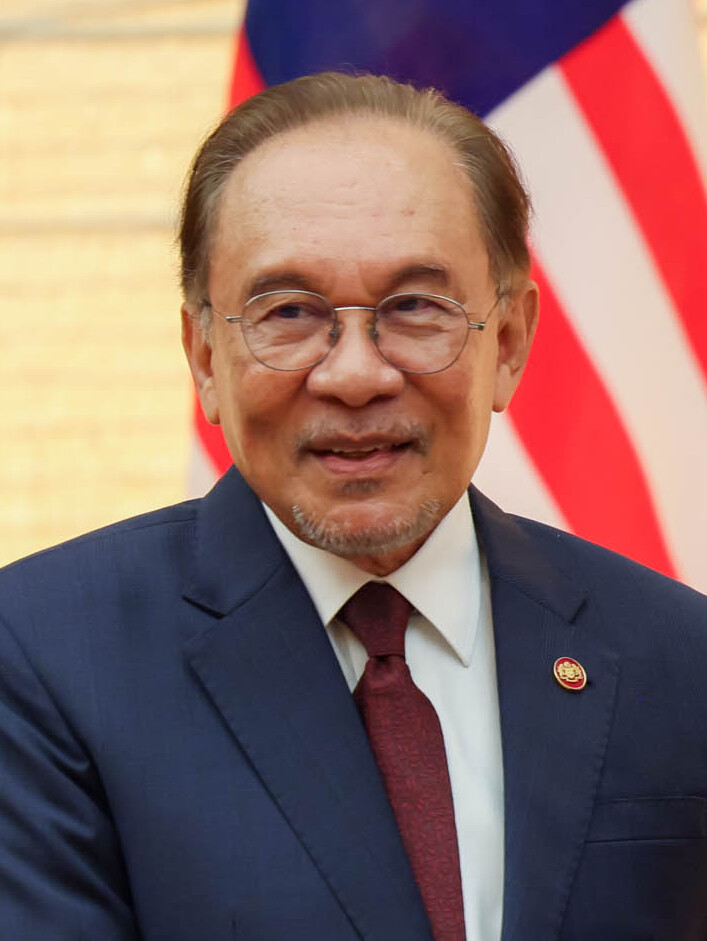
A source-backed chronology of Anwar Ibrahim's path from youth activism and UMNO, through the deputy premiership, Reformasi, two periods of imprisonment, opposition leadership, a royal pardon and the hung Parliament that ended with his appointment as prime minister in 2022.
14 events · 1947–2022
A compact chronology of every Malaysian prime minister from Tunku Abdul Rahman to Anwar Ibrahim, including Mahathir Mohamad's two non-consecutive premierships and the rapid leadership changes between 2018 and 2022.
10 events · 1957–2026A neutral chronology of Anwar Ibrahim's 1998 dismissal, the street protests and arrest, the black-eye Royal Commission, court cases, the formation of Keadilan and Barisan Alternatif, and the 2004 Federal Court decision that overturned his first sodomy conviction.
12 events · 1998–2004