
01
1949TINDAKAN
Kuok Brothers begins as a small Johor Bahru trading business.
Robert Kuok and the family business trade rice, sugar and wheat flour, creating the commercial base from which the wider group will grow.
CHRONOLOGY · BUSINESS · ROBERT KUOK
A chronology of how Kuok Brothers grew from trading rice, sugar and flour in Johor Bahru into a multinational network spanning food, hospitality, property, logistics, maritime businesses and agribusiness.
A chronology of how Kuok Brothers grew from trading rice, sugar and flour in Johor Bahru into a multinational network spanning food, hospitality, property, logistics, maritime businesses and agribusiness.
Robert Kuok and the family business trade rice, sugar and wheat flour, creating the commercial base from which the wider group will grow.
The chronology links post-war commodity trade with flour milling, shipping, hotels, property, China investment and modern agribusiness — a useful map of how Asian conglomerates compounded scale across sectors and geographies.
Setiap langkah mempunyai tarikh dan sumber. Kenyataan, dakwaan, keputusan dan tindakan yang disahkan dipisahkan supaya kronologi tidak menukar dakwaan sesuatu pihak menjadi fakta.
Robert Kuok and the family business trade rice, sugar and wheat flour, creating the commercial base from which the wider group will grow.
Kuok (Singapore) Limited is established, followed by expansion into Thailand and Indonesia before the end of the 1950s.
FFM is incorporated and later begins wheat-flour milling operations, helping turn a commodity-trading business into an integrated food group.
The listed-company platform broadens the family's Malaysian interests into agribusiness, property, entertainment and other sectors.
Education and philanthropy become a formal part of the group's long-run institutional footprint.
Hospitality becomes a major new pillar. Shangri-La later grows into an international luxury-hotel group with more than 100 hotels across dozens of destinations.
The group adds maritime transport to a portfolio already moving beyond food and commodities.
Hong Kong and Mainland China become a major new axis of growth for property, logistics, hospitality and investment activities.
This positions the group to participate in China's opening and long-term urban and consumer growth.
Logistics grows into another major regional business line alongside food, hotels, property and shipping.
The investment strengthens the group's position in Asian agribusiness; Kuok Group describes itself as Wilmar's largest shareholder.
A business line launched from a single Singapore hotel in 1971 reaches a major global scale milestone.
The anniversary highlights the transformation from a Johor commodity trader into a multinational conglomerate operating across multiple continents.
Its current structure reflects decades of geographic diversification and a shift from trading into asset-heavy operating businesses.
The creation of FFM added industrial capability rather than leaving the group dependent only on commodity margins.
Singapore arrived in 1953, Hong Kong in 1974 and Mainland China investment in 1980, long before 'regional champion' became a common Malaysian corporate ambition.
The hotel business gave the group a recognisable international brand distinct from its less-visible commodities and industrial holdings.
The chronology links post-war commodity trade with flour milling, shipping, hotels, property, China investment and modern agribusiness — a useful map of how Asian conglomerates compounded scale across sectors and geographies.
01Which parts of the Kuok model depended on timing and relationships that would be difficult to reproduce today?
02How should analysts map control across the group's listed, private and family-held entities?
03Which business line will define the group's next generation: food, hotels, logistics, property or digital infrastructure?
01Future restructuring across Kuok, Kerry, Shangri-La and Wilmar-linked holdings.
02Expansion of the group's logistics and digital-infrastructure businesses.
03New releases from the Kuok Group Archives documenting earlier phases of the business.
Kronologi berkaitan disusun berdasarkan pautan cerita terlebih dahulu, kemudian topik, geografi dan konteks yang sama.
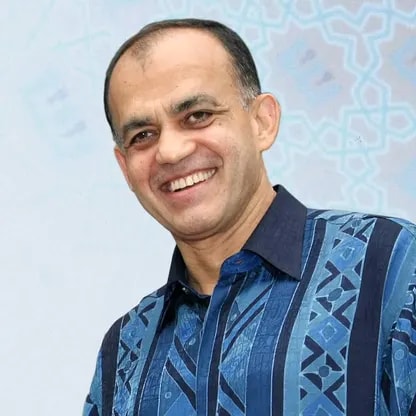
A chronology of how Syed Mokhtar Albukhary moved from small-scale commodity and transport businesses into nationally significant corporate assets including ports, MMC, DRB-Hicom, Bernas and Proton, while building a large philanthropic footprint through the Albukhary Foundation.
13 peristiwa · 1974–2025A chronology of MYDIN's growth from Tuan Mydin Mohamed's first shop in 1957 through the family's East Coast expansion, the move into Kuala Lumpur, corporatisation, hypermarkets and a nationwide retail footprint built around wholesale-style pricing.
12 peristiwa · 1957–2026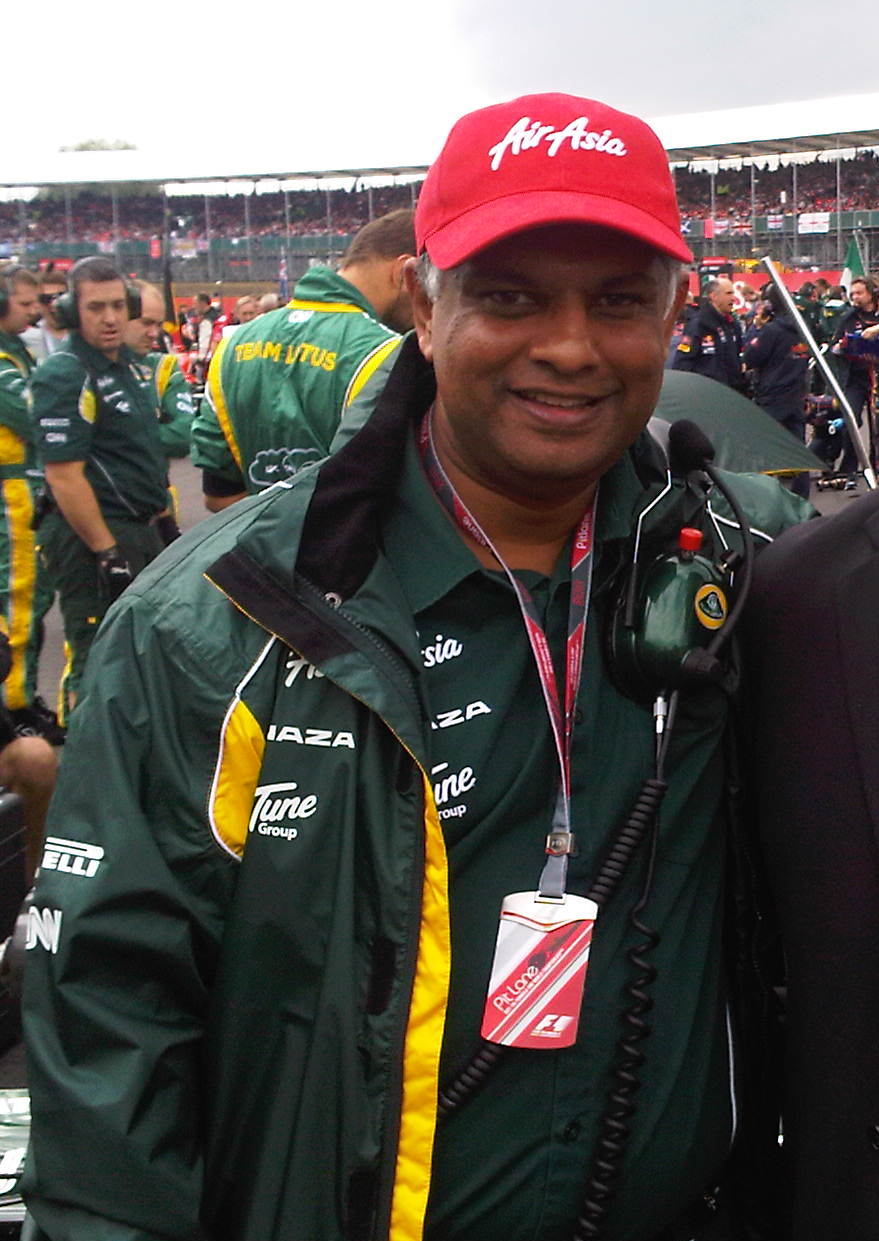
A chronology of the 2001 AirAsia takeover, the low-cost airline model, rapid Asean expansion, the 500-million-passenger milestone, the pandemic shock, Capital A restructuring and the 2026 separation of aviation from non-airline businesses.
9 peristiwa · 2001–2026