
01
August 1957ACTION
Tuan Mydin Mohamed opens a small wooden shop in Kota Bharu.
The first Syarikat Mydin Mohamed shop opens in Jalan Tok Hakim, selling toys and general merchandise. The business starts in the same year Malaya gains independence.
CHRONOLOGY · BUSINESS · RETAIL
A chronology of MYDIN's growth from Tuan Mydin Mohamed's first shop in 1957 through the family's East Coast expansion, the move into Kuala Lumpur, corporatisation, hypermarkets and a nationwide retail footprint built around wholesale-style pricing.
A chronology of MYDIN's growth from Tuan Mydin Mohamed's first shop in 1957 through the family's East Coast expansion, the move into Kuala Lumpur, corporatisation, hypermarkets and a nationwide retail footprint built around wholesale-style pricing.
The first Syarikat Mydin Mohamed shop opens in Jalan Tok Hakim, selling toys and general merchandise. The business starts in the same year Malaya gains independence.
Its history tracks the transformation of Malaysian retail itself: wooden shops, urban shoplots, corporatisation, hypermarkets, e-commerce and nationwide scale — while ownership and leadership remain rooted in the founding family.
Each step is dated and sourced. Statements, allegations, decisions and confirmed actions stay labelled separately so the timeline does not turn one side's claim into an established fact.
The first Syarikat Mydin Mohamed shop opens in Jalan Tok Hakim, selling toys and general merchandise. The business starts in the same year Malaya gains independence.
MITI's corporate profile records that Mydin Mohamed's father had operated a shop in Penang before it was destroyed during the Japanese Occupation, leaving the family to rebuild its trading base.
That earlier loss is part of the family history rather than the formal start of MYDIN itself, which the company dates to 1957.
Datuk Murad Ali Mydin leads the expansion beyond Kota Bharu, extending the business across the East Coast while keeping its value-and-wholesale positioning.
After returning from a banking career, Ameer Ali opens a small Jalan Masjid India outlet. MITI records a rented 600 sq ft shop and about RM100,000 worth of merchandise as the starting point.
The change creates a more formal corporate structure as the chain prepares for a larger national retail footprint.
MITI records the business being registered as Mydin Mohamed Holdings Berhad, with Tuan Mydin as chairman, his sons as directors and Ameer Ali serving as managing director.
The first MYDIN hypermarket and shopping-centre format marks a major change in scale, putting the local family retailer into direct competition with large international retail chains.
The Malaysia Retailers Association records 74 stores at the time, spanning hypermarkets and other retail formats, while MYDIN also expands into e-commerce partnerships.
Ameer Ali later describes the lockdown period as one of the company's hardest operating periods because lower sales collided with rent and employee obligations. MYDIN also faced major flood disruption in 2021.
The new large-format store brings the hypermarket model back to the state where the original wooden shop was founded 65 years earlier.
The Bernama snapshot shows how far the business had moved from its single-store beginnings while still emphasising value pricing and mass-market retail.
The company continues to position itself as a home-grown halal retailer built around affordability, wholesale-style pricing, integrity and family continuity.
The business spent its early years moving from Kota Bharu to Kuala Terengganu and then Kuala Lumpur. The first hypermarket did not arrive until 2006.
Ameer Ali's Masjid India outlet gave the MYDIN name greater visibility outside the East Coast and helped turn a regional family business into a national retailer.
Across different formats, MYDIN has continued to emphasise affordable prices and the long-running message 'Why Pay More? Buy at Wholesale Prices!' as a core part of the brand.
Its history tracks the transformation of Malaysian retail itself: wooden shops, urban shoplots, corporatisation, hypermarkets, e-commerce and nationwide scale — while ownership and leadership remain rooted in the founding family.
01How will MYDIN balance large physical stores with online retail as consumer behaviour keeps changing?
02Can a wholesale-price positioning remain distinctive as discount grocers and e-commerce intensify competition?
03How much of MYDIN's next growth phase will come from new branches versus new formats and digital channels?
01Changes in MYDIN's branch count and store formats.
02Expansion into new states, digital channels or logistics capabilities.
03How Malaysian household spending and food-price pressures affect the chain's value-retail strategy.
Related chronologies are ranked from explicit story links first, then topic, geography and shared context.
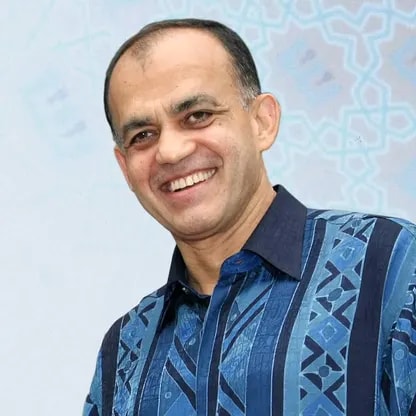
A chronology of how Syed Mokhtar Albukhary moved from small-scale commodity and transport businesses into nationally significant corporate assets including ports, MMC, DRB-Hicom, Bernas and Proton, while building a large philanthropic footprint through the Albukhary Foundation.
13 events · 1974–2025
A chronology of how Kuok Brothers grew from trading rice, sugar and flour in Johor Bahru into a multinational network spanning food, hospitality, property, logistics, maritime businesses and agribusiness.
14 events · 1949–2026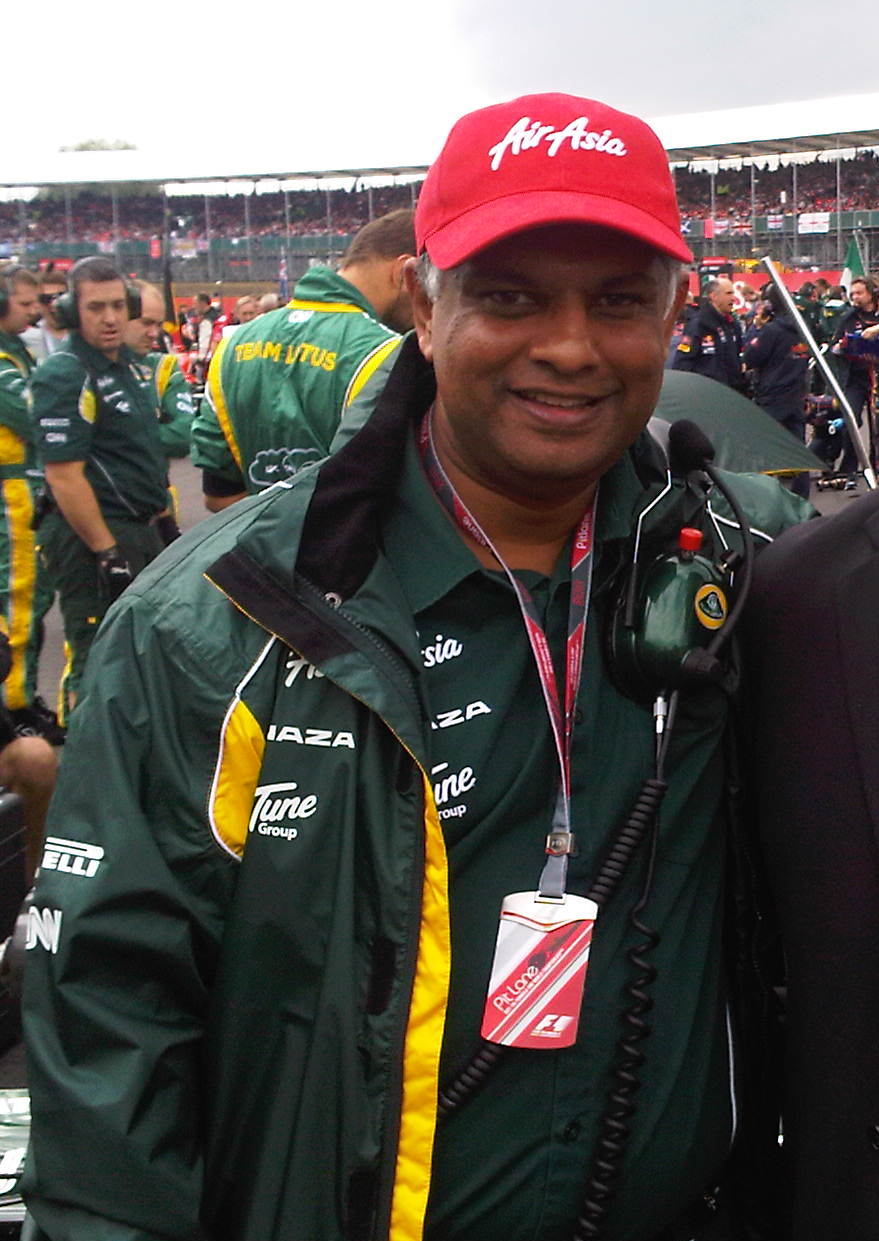
A chronology of the 2001 AirAsia takeover, the low-cost airline model, rapid Asean expansion, the 500-million-passenger milestone, the pandemic shock, Capital A restructuring and the 2026 separation of aviation from non-airline businesses.
9 events · 2001–2026