
Why are breakfast culture and kebaya recognised heritage?
Two 2024 inscriptions show how heritage survives through ordinary daily life.
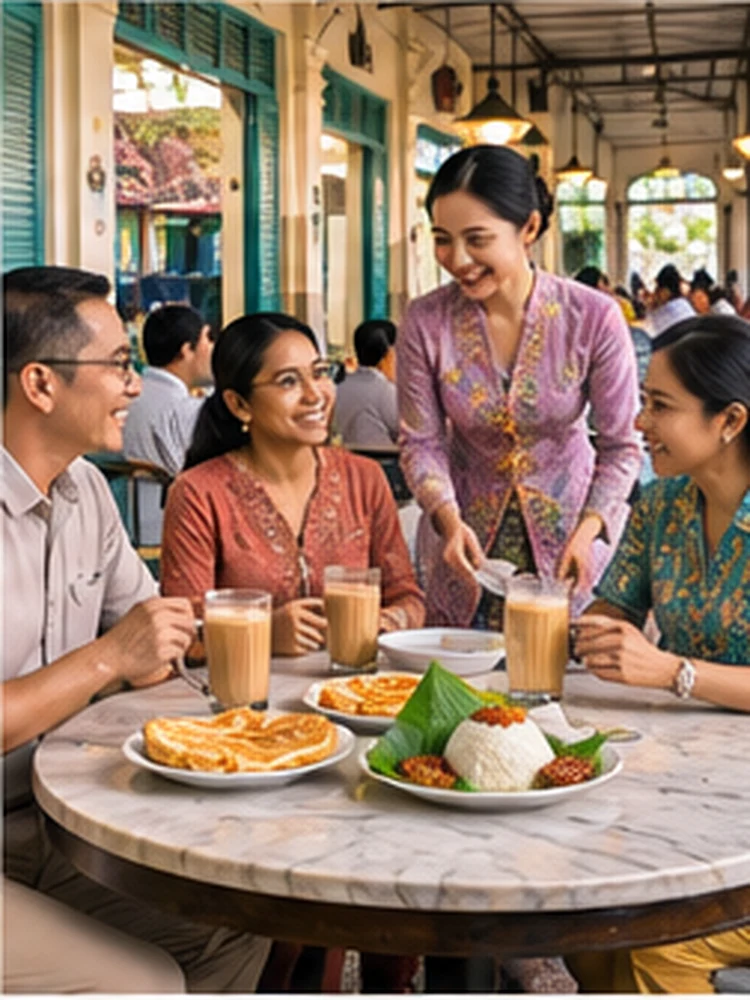
Breakfast as shared culture
UNESCO recognised Malaysian breakfast culture in 2024 as a multi-ethnic social experience, not merely a list of dishes. Nasi lemak, roti canai and teh tarik are among the examples, while preparation, trade and eating together form part of the living practice.
A shared kebaya heritage
The 2024 kebaya inscription involves Malaysia alongside Brunei Darussalam, Indonesia, Singapore and Thailand. It recognises knowledge, craft and wearing traditions rather than granting one country exclusive ownership of a shared garment.
Heritage in everyday life
Both examples show heritage as changing and lived rather than frozen. Photographs and practitioner accounts deserve proper credits, and public storytelling should explain communities and contexts, not use culture as decoration.