01
27 May 1961STATEMENT
Tunku Abdul Rahman proposes a wider federation.
The proposal envisioned bringing together the Federation of Malaya, Singapore, North Borneo (Sabah), Sarawak and Brunei in a new political federation.
CHRONOLOGY · HISTORY · NATION-BUILDING
A chronology from Tunku Abdul Rahman's 1961 proposal through the Cobbold Commission, the Malaysia Agreement, formation on 16 September 1963 and Singapore's separation in 1965.
A chronology from Tunku Abdul Rahman's 1961 proposal through the Cobbold Commission, the Malaysia Agreement, formation on 16 September 1963 and Singapore's separation in 1965.
The proposal envisioned bringing together the Federation of Malaya, Singapore, North Borneo (Sabah), Sarawak and Brunei in a new political federation.
Malaysia's formation explains why Sabah and Sarawak occupy a distinct place in the federation, why 16 September is Malaysia Day, and why the Malaysia Agreement remains central to contemporary federal-state discussions.
Each step is dated and sourced. Statements, allegations, decisions and confirmed actions stay labelled separately so the timeline does not turn one side's claim into an established fact.
The proposal envisioned bringing together the Federation of Malaya, Singapore, North Borneo (Sabah), Sarawak and Brunei in a new political federation.
Parliament's official history records that Tunku's proposal to merge Malaya with Singapore, Sarawak and Sabah was approved by the House, while discussions with Britain continued.
Led by Lord Cobbold, the commission included British and Malayan representatives and was tasked with assessing views in North Borneo and Sarawak on the proposed federation.
Parliament's historical account says the commission found majority support for the Malaysia concept, subject to terms and safeguards that fed into the later constitutional settlement.
Laporan IGC merangka syor berkaitan imigresen, agama, pendidikan, kedudukan masyarakat pribumi, tanah, kewangan serta pembahagian kuasa. Ia membantu menyediakan aturan perlembagaan sebelum Malaysia dibentuk.
Laporan IGC ialah dokumen syor dan susunan perlembagaan; untuk menentukan hak yang berkuat kuasa pada sesuatu masa, perlu juga merujuk teks undang-undang, pindaan dan pelaksanaan selepas 1963. Ia tidak boleh diringkaskan sebagai satu janji tunggal yang semuanya kekal tidak berubah.
Representatives of the Federation of Malaya, the United Kingdom, North Borneo (Sabah), Sarawak and Singapore agreed to the terms for creating Malaysia. Brunei did not join the final federation.
Sabah, Sarawak and Singapore joined the existing Federation of Malaya to form Malaysia. The Parliament of the Federation of Malaya became the Parliament of Malaysia.
Indonesia opposed the new federation and the confrontation included cross-border incursions, sabotage and bombings across parts of Malaysia and Singapore.
Konfrontasi continued beyond Singapore's separation and formally ended in 1966. It formed the external-security backdrop to Malaysia's earliest years.
Two major outbreaks of racial violence occurred in Singapore in 1964 amid already difficult political relations between the Singapore state government and Kuala Lumpur.
The causes and political interpretations of the riots remain sensitive. PulseKita treats the violence as part of the broader deterioration in federal-state relations rather than assigning a single-cause explanation.
Singapore ceased to be a state of Malaysia and became an independent and sovereign republic. The union had lasted less than two years.
Four distinct evidence layers. This is a review framework, not a verdict on political claims or the status of individual rights.
Teks perjanjian dan lampirannya menjadi titik mula. Semak fasal khusus, pihak yang menandatangani dan tarikh kuat kuasa sebelum membuat kesimpulan.
United Nations Treaty Collection ↗IGC memperincikan cadangan perlindungan untuk Sabah dan Sarawak. Syor laporan bukan secara automatik sama dengan setiap peruntukan undang-undang yang berkuat kuasa.
Jabatan Peguam Besar Negeri Sabah ↗Bandingkan perkara berkaitan dengan teks Perlembagaan Persekutuan, undang-undang 1963 dan pindaan selepasnya. Jangan andaikan peruntukan asal kekal tanpa perubahan.
Laws of Malaysia — Federal Constitution ↗Imigresen, pendidikan, hasil negeri, tanah dan kuasa pentadbiran mesti dinilai berasingan menggunakan laporan kerajaan, hansard, keputusan mahkamah serta tarikh semakan. Paparan ini tidak memberikan keputusan 'sudah selesai' atau 'belum ditunaikan' tanpa bukti isu khusus.
Parlimen Malaysia — Hansard ↗Important: source links enable verification; they do not establish whether any individual MA63 issue is settled or outstanding. Check current legal texts and updates.
The new federation brought Sabah and Sarawak together with the states of the existing Federation of Malaya, while Singapore joined as a state until 1965.
The IGC Report discussed immigration, religious freedom, education, indigenous communities, land, financial arrangements and legislative powers. These should be traced separately through the 1963 agreement, constitutional provisions and later changes, not treated as one undifferentiated promise.
The original IGC recommendations establish historical context. Whether a particular commitment has been implemented, amended or remains disputed requires the relevant later statute, constitutional text and government records.
Tunku's 1961 proposal included Brunei, but the final Malaysia Agreement was concluded without Brunei becoming a member of the federation.
The Malaysia Agreement established the terms under which Sabah, Sarawak and Singapore entered the new federation. Modern debates over Sabah and Sarawak's rights continue to refer back to the agreement and related constitutional arrangements.
Malaysia's formation explains why Sabah and Sarawak occupy a distinct place in the federation, why 16 September is Malaysia Day, and why the Malaysia Agreement remains central to contemporary federal-state discussions.
01How should the original safeguards and understandings surrounding Sabah and Sarawak be interpreted in modern federal policy?
02Which parts of the 1963 settlement have changed through later constitutional and legislative amendments?
03How should younger Malaysians understand the difference between Merdeka in 1957 and the formation of Malaysia in 1963?
01Further implementation or reinterpretation of MA63-related commitments.
02New archival releases on negotiations leading to Malaysia's formation.
03Future constitutional or fiscal changes affecting federal-state relations with Sabah and Sarawak.
Related chronologies are ranked from explicit story links first, then topic, geography and shared context.
A carefully sourced chronology of the 1969 general election, the violence in Kuala Lumpur, emergency rule, the suspension of Parliament, MAGERAN, the Rukun Negara and the policy changes that followed.
8 events · 1969–1971A carefully framed chronology of the police operation in Kampung Memali, the deaths of 14 villagers and four policemen, the government's White Paper and later disputes over responsibility and whether an independent inquiry was needed.
8 events · 1985–2018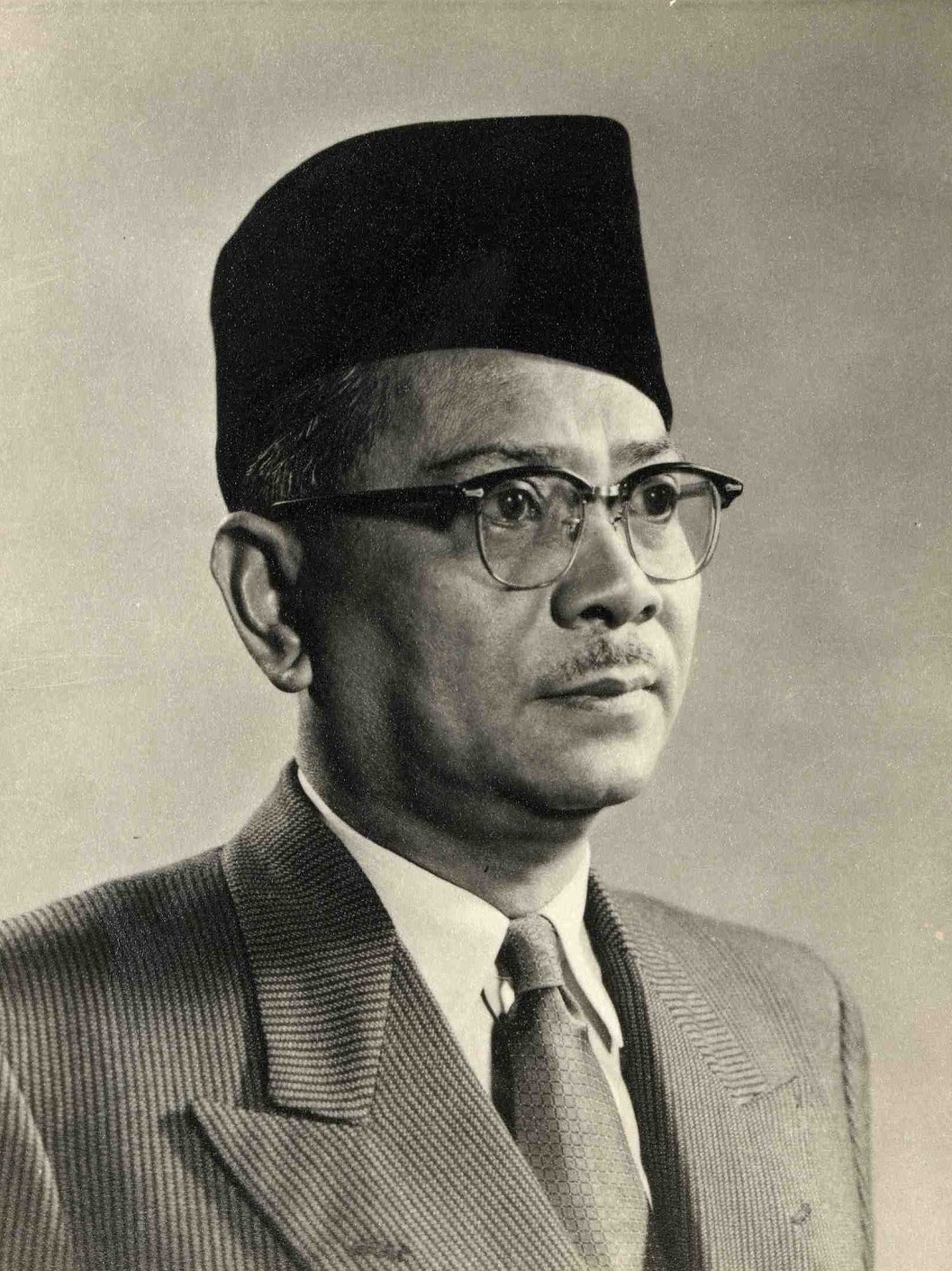
A compact chronology of every Malaysian prime minister from Tunku Abdul Rahman to Anwar Ibrahim, including Mahathir Mohamad's two non-consecutive premierships and the rapid leadership changes between 2018 and 2022.
10 events · 1957–2026