
01
9 February 2013ACTION
Armed men begin entering Sabah and gathering at Kampung Tanduo.
Contemporary reporting says the group entered Malaysian waters by boat and assembled in stages around Felda Sahabat 17, Kampung Tanduo in Lahad Datu.
CHRONOLOGY · SABAH · NATIONAL SECURITY
A day-by-day chronology of the Kampung Tanduo intrusion, the deadly clashes in Lahad Datu and Semporna, Ops Daulat and the creation of ESSZone and ESSCOM.
A day-by-day chronology of the Kampung Tanduo intrusion, the deadly clashes in Lahad Datu and Semporna, Ops Daulat and the creation of ESSZone and ESSCOM.
Contemporary reporting says the group entered Malaysian waters by boat and assembled in stages around Felda Sahabat 17, Kampung Tanduo in Lahad Datu.
ESSZone and ESSCOM remain part of eastern Sabah's security architecture. The event is therefore both a 2013 armed-conflict chronology and the origin story of a security system that still operates today.
Each step is dated and sourced. Statements, allegations, decisions and confirmed actions stay labelled separately so the timeline does not turn one side's claim into an established fact.
Contemporary reporting says the group entered Malaysian waters by boat and assembled in stages around Felda Sahabat 17, Kampung Tanduo in Lahad Datu.
The presence of the group becomes known to Malaysian authorities. Security forces later surround the area while negotiations begin.
Security forces establish a cordon around Kampung Tanduo while the government seeks a peaceful resolution. The standoff continues for more than two weeks.
A shootout kills two Malaysian security personnel. The confrontation marks the transition from a prolonged standoff into open armed conflict.
Six police personnel are killed in an ambush and shootout in Kampung Simunul, widening the security crisis beyond the original Tanduo standoff.
Police and the Armed Forces conduct a coordinated assault involving air power and ground forces against armed positions around Kampung Tanduo.
The operation represented an unusually large joint deployment of police and military forces on Malaysian soil.
ESSZone is created as a dedicated security zone spanning districts along Sabah's east coast, turning the crisis into a permanent change in how the region is protected.
The Eastern Sabah Security Command brings together multiple security and enforcement agencies to coordinate operations across ESSZone.
Bernama's later official retrospectives record 10 Malaysian security personnel and 68 Sulu militants killed before the conflict was declared over.
The zone originally covered 10 eastern Sabah districts and created a framework for heightened maritime, border and community security following the intrusion.
ESSCOM has continued coordinating police, military, maritime and other enforcement operations against cross-border threats, kidnapping, smuggling and illegal entry.
ESSZone and ESSCOM remain part of eastern Sabah's security architecture. The event is therefore both a 2013 armed-conflict chronology and the origin story of a security system that still operates today.
01How should Malaysia continue balancing border security, local economic activity and tourism in eastern Sabah?
02Which elements of the 2013 security architecture remain necessary as regional threats evolve?
03How should the sacrifices of the security personnel killed during Ops Daulat be preserved in public memory?
01Future restructuring of ESSZone or ESSCOM.
02Changes to maritime-security controls along Sabah's east coast.
03New memorial, museum or archival releases relating to Ops Daulat.
Related chronologies are ranked from explicit story links first, then topic, geography and shared context.
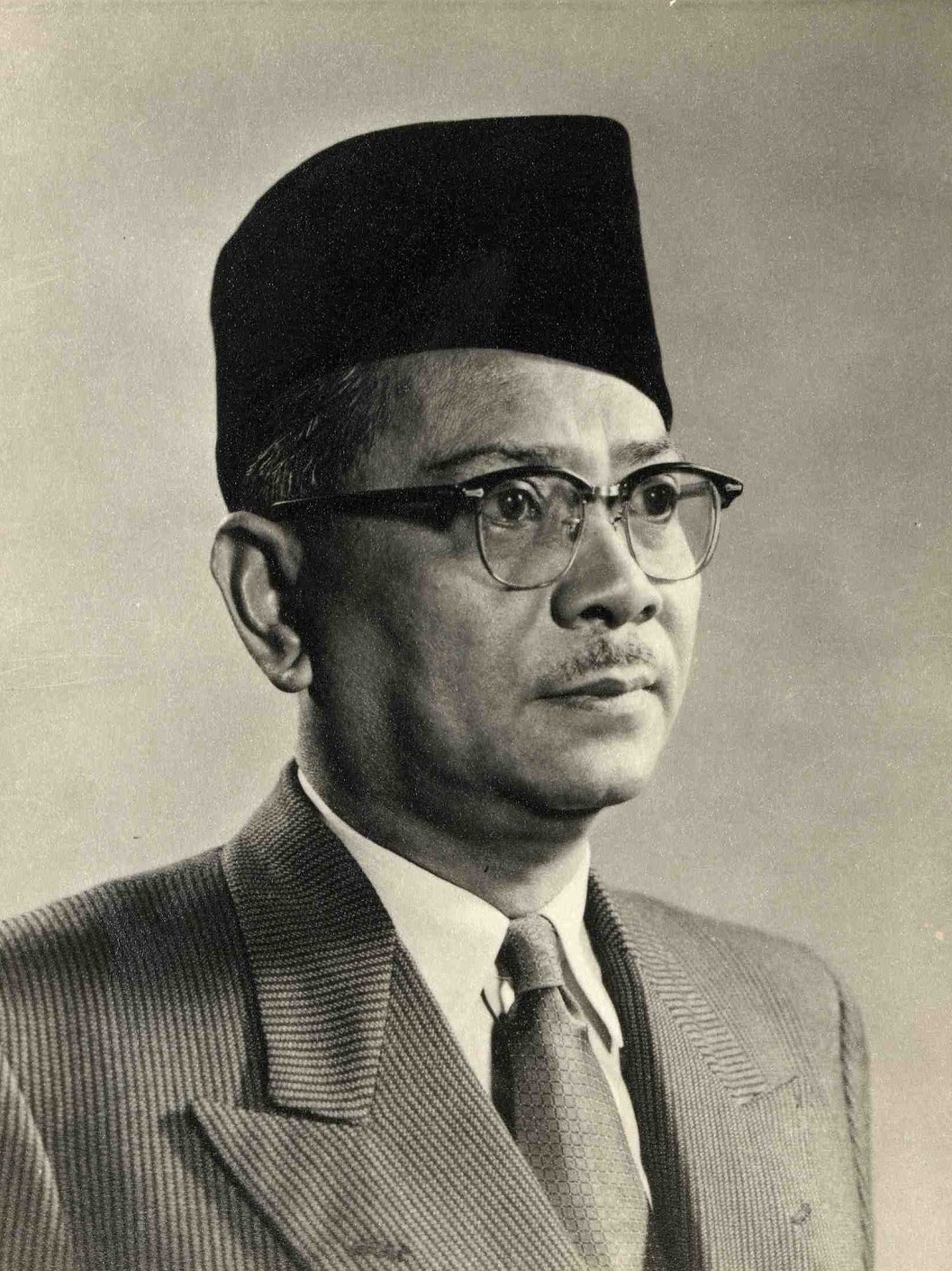
A chronology from Tunku Abdul Rahman's 1961 proposal through the Cobbold Commission, the Malaysia Agreement, formation on 16 September 1963 and Singapore's separation in 1965.
9 events · 1961–1965A chronology of FELDA from its 1956 creation and the first land schemes to more than 112,000 settler families, the end of new settler intake in 1990 and the shift toward a self-financing commercial model.
10 events · 1956–2026A carefully framed chronology of the police operation in Kampung Memali, the deaths of 14 villagers and four policemen, the government's White Paper and later disputes over responsibility and whether an independent inquiry was needed.
8 events · 1985–2018